
Best Thread Count Bed Sheets [BUYER GUIDE]
By Serene Taylor | Last Updated on March 20, 2026
Note: This page contains affiliate links. As an Amazon Associate, I earn from qualifying purchases when you click on the link, but you are not charged extra.
When it comes to creating the perfect sleep environment, the quality of your bed sheets plays a crucial role. A good set of bed sheets not only enhances your comfort but can also significantly impact the quality of your rest. Among the myriad of factors that influence the feel and durability of bed sheets, thread count stands out as one of the most discussed and debated topics. Thread count refers to the number of threads woven into a square inch of fabric, and it is often considered an indicator of quality. However, understanding how thread count affects the texture, softness, and longevity of your sheets requires a deeper look beyond the numbers.
In this guide, we’ll explore the intricacies of thread count, offering you a comprehensive buyer’s guide for choosing the best bed sheets. Whether you’re a first-time buyer or looking to upgrade your existing bedding, this article will provide you with valuable insights to help you make an informed decision. We will delve into the myths surrounding thread count, highlight the factors that actually matter in choosing the right bed sheets, and provide expert tips to ensure you get the best value for your money.
Contents
Top 5 Best Thread Count Bed Sheets
| Linenspa 400-Thread Count 100% Cotton Sheets | Check Price |
| Pure Parima Egyptian Cotton Sheets | Check Price |
| Brooklinen Luxe Sateen Sheets | Check Price |
| Saatva Organic Sateen Sheets | Check Price |
| Parachute Percale Sheets | Check Price |
Best Thread Count Bed Sheets
Linenspa 400-Thread Count 100% Cotton Sheets
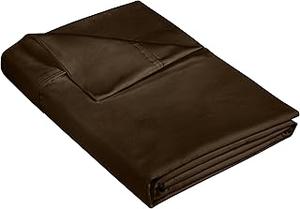
Linenspa’s 400-thread count cotton sheets are like a blend of comfort and affordability. Made from 100% cotton, these sheets are soft to the touch, breathable, and will only get better with each wash. They’re not as fancy as some of the high-end brands, but they deliver incredible value with that soft, smooth feeling you crave every night. Perfect for those who want a balance between price and comfort!
Pure Parima Egyptian Cotton Sheets
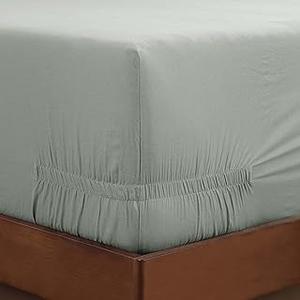
If you’re dreaming of getting into bed with sheets that feel like heaven, Pure Parima’s Egyptian Cotton Sheets are here to deliver. These babies boast a 600 thread count, making them incredibly soft, breathable, and durable. The long, silky fibers of Egyptian cotton give them an unmatched feel, and they’re perfect for anyone who’s serious about investing in high-quality bed linens that’ll last a long time.
Brooklinen Luxe Sateen Sheets
If you’re looking for luxury that feels like it belongs in a five-star hotel, the Brooklinen Luxe Sateen Sheets are a top contender. With a rich 480 thread count, these sheets have a soft, silky feel that just melts you into your bed. They’re made from 100% long-staple cotton and woven with a sateen weave that gives them a gorgeous sheen. Plus, they come in a variety of colors to match any bedroom vibe you’re going for!Check Price
Saatva Organic Sateen Sheets
Looking for something that’s both eco-friendly and ultra-soft? Enter the Saatva Organic Sateen Sheets. Made from 100% organic cotton and boasting a 300 thread count, these sheets are seriously comfy and have a beautiful sheen that doesn’t feel too over-the-top. They are durable, and the organic cotton ensures that they are gentle on both your skin and the environment. Talk about luxury with a conscience!Check Price
Parachute Percale Sheets
Parachute is all about that crisp, cool feel that’s perfect for warm sleepers. These Percale Sheets come with a 400 thread count and are made from 100% long-staple Egyptian cotton, so they’re soft, breathable, and have just the right amount of texture. If you love that classic, hotel-like feel, you’ll adore the matte finish and lightweight design that makes them perfect for year-round use.Check Price
Buyer Guide For Choosing The Best Thread Count Bed Sheets
Understanding Thread Count And Its Significance
Thread count is essentially a measure of the number of threads woven together in one square inch of fabric. It includes both vertical and horizontal threads, often referred to as the "warp" and "weft." The general belief is that higher thread count indicates better quality; however, this is not always the case. A high thread count can be misleading if the material used is of low quality or if the threads are overly fine and tightly packed, which can compromise breathability and softness.
The Myth Of ’Higher Is Always Better’
While a higher thread count can suggest a smoother and more durable fabric, it does not necessarily equate to superior comfort. For example, sheets with thread counts of 600 or 800 may sound luxurious, but if they’re made from lower-quality cotton or synthetic fibers, they may not offer the softness and breathability you expect. Some manufacturers attempt to artificially inflate the thread count by twisting multiple thinner threads together to create one "counted" thread, which can lead to a dense, heavy fabric that lacks air circulation.
The truth is that the ideal thread count for most people lies somewhere between 300 and 500. At this range, you get the balance of softness, durability, and breathability, without compromising the overall quality of the material. It’s also important to note that the type of fiber used is far more important than the thread count. For instance, a sheet made from high-quality long-staple cotton, like Egyptian or Pima cotton, will feel far softer and last longer than a sheet made from synthetic blends, even if the thread count is similar.
The Role Of Fabric Quality And Fiber Type
When selecting bed sheets, the fiber type used plays a more significant role than the thread count alone. The following fibers are known for their superior qualities:
- Egyptian Cotton: Known as the ’gold standard’ in bedding, Egyptian cotton is prized for its long, fine fibers that produce smooth, durable, and breathable fabric. Sheets made from Egyptian cotton can have thread counts as high as 800 or more and still remain incredibly soft and lightweight.
- Pima Cotton: A close relative to Egyptian cotton, Pima cotton is another high-quality fiber known for its softness and strength. It is often used in luxury bedding and has a natural sheen that adds elegance to any bedroom.
- Supima Cotton: This is an American-grown version of Pima cotton and is often considered a premium alternative. Supima cotton sheets are durable, soft, and maintain their texture over time.
- Linen: Linen sheets are made from flax fibers, which are naturally breathable, moisture-wicking, and have a distinctive texture. While linen sheets may have a lower thread count, their quality lies in their ability to keep you cool and dry, making them perfect for hot climates or those prone to night sweats.
- Bamboo and Tencel: For eco-conscious buyers, bamboo and Tencel (made from sustainably sourced wood pulp) are becoming popular alternatives. Both materials are soft, hypoallergenic, and highly breathable, offering a luxurious feel without the need for high thread counts.
Weave Types That Impact Feel And Durability
Apart from thread count and fiber quality, the weave of the fabric also plays a key role in the feel of your bed sheets. There are three common types of weaves:
- Percale: Percale is a plain weave that is crisp, cool, and breathable, making it perfect for those who sleep hot. It’s often found in cotton sheets with a thread count of 200-400, and it gives a smooth, matte finish.
- Sateen: Sateen weaving involves weaving threads in a way that creates a smooth, silky surface with a subtle sheen. Sheets with a sateen weave tend to feel soft and luxurious but may retain heat more than percale, making them ideal for cooler climates.
- Jacquard: Jacquard sheets have a textured pattern woven into the fabric, adding visual interest and luxury to your bedding. While not as commonly found as percale or sateen, jacquard sheets can add depth to your bed linens.
The Importance Of Other Considerations
While thread count, fiber type, and weave are essential in selecting quality sheets, there are other factors that contribute to overall comfort and longevity:
- Finish: The way the fabric is finished (such as with mercerization or softening treatments) can significantly impact how soft and durable the sheets feel. Sheets that undergo mercerization have a glossy finish and improved durability.
- Shrinkage: Some fabrics, especially cotton, are prone to shrinking after washing. To avoid this, ensure that the sheets are pre-shrunk or check the care instructions before purchase.
- Care and Maintenance: Some sheets require special care, such as hand-washing or avoiding fabric softeners. Always check the label for care instructions to ensure your investment lasts.
- Price vs. Quality: While higher thread counts often come with a higher price tag, it’s essential to assess whether the price truly reflects the quality of the fabric. Don’t hesitate to consider alternative materials or lower thread counts if they offer superior comfort and durability.
Final Words
When selecting the best bed sheets, thread count is just one factor to consider. A higher thread count doesn’t always guarantee better quality or comfort. Instead, focus on the overall quality of the fabric, the type of fibers used, and the weave that suits your sleep preferences. Understanding the nuances of bedding will help you choose sheets that are not only soft but also durable, breathable, and well-suited to your personal needs.
FAQs
What Is The Ideal Thread Count For Bed Sheets?
The ideal thread count for bed sheets typically falls between 300 and 500. Sheets within this range are considered durable, soft, and breathable. However, thread count is not the only factor influencing quality-material, weave, and finishing also play significant roles.
Can A Higher Thread Count Always Mean Better Quality?
Not necessarily. While higher thread counts (600-800) can result in a smoother, denser fabric, they don’t always equate to better quality. Other factors such as the type of cotton used, weave, and finishing processes are just as important in determining the overall feel and durability of the sheets.
What Materials Are Best For High-thread Count Sheets?
Egyptian cotton, Pima cotton, and Supima cotton are considered some of the best materials for high-thread count sheets. These cotton varieties feature long fibers that can be woven tightly for a smoother, more durable fabric. Linen and bamboo are also great options, though their thread count may not reach as high as cotton’s.
Does A Higher Thread Count Result In Softer Sheets?
While a higher thread count can contribute to a softer feel, it is not the sole factor. Softer sheets are often the result of finer yarns and the quality of the fabric. For example, a 400-thread-count sheet made from high-quality cotton can feel softer than an 800-thread-count sheet made from lower-quality materials.
How Does The Weave Affect Thread Count In Bed Sheets?
The weave of the fabric significantly influences the feel and durability of the sheets. A percale weave, which is a simple, tight weave, results in a crisp, cool feel, while sateen weave produces a smoother, shinier surface. The type of weave can impact how the thread count is experienced, with sateen typically feeling silkier even at lower thread counts.
*This article is based on personal research and hands-on exploration of bedding materials and sleep comfort. It is intended for informational purposes only.*
About the Author
Serene is the writer behind this guide, focusing on sleep comfort, bedding, and creating restful home environments. Her interest in this space began after dealing with inconsistent sleep and exploring how bedding, materials, and bedroom setup affect overall rest.
She shares practical, experience-based insights to help readers make more informed and comfortable choices for their sleep space.
Learn more: About Serene