
Best Bed Sheets For Allergies [BUYER GUIDE]
Note: This page contains affiliate links.
As an Amazon Associate, I earn from qualifying purchases when you click on the link, but you are not charged extra.
A good night’s sleep is essential to overall health and well-being, and the quality of your bed sheets plays a pivotal role in achieving that. For those who suffer from allergies, however, this seemingly simple element of sleep hygiene takes on added importance. Dust mites, pollen, pet dander, and other allergens can be trapped in the fabric of bed linens, making it essential to choose sheets that provide not only comfort but also allergy protection. The importance of selecting the best bed sheets for allergies goes beyond comfort; it can contribute to minimizing symptoms like sneezing, congestion, and skin irritation, ensuring that you sleep soundly through the night.
When it comes to buying the best sheets for allergy sufferers, several factors need to be considered, including the materials used, the weave of the fabric, and the care instructions. The right bed sheets can be a game-changer, promoting a healthier sleep environment and providing relief from common allergens. This guide will delve into everything you need to know to make an informed decision about which bed sheets are most suitable for allergy prevention.
Contents
Top 5 Best Bed Sheets For Allergies
| Linenspa All-Season Microfiber Bed Sheet Set | Check Price |
| California Design Den 100% Cotton Bed Sheets | Check Price |
| Pure Cotton Bed Sheets – 100% Organic Cotton Sheets | Check Price |
| Sleep Mantra 100% Organic Cotton Sheets | Check Price |
| Zinus 100% Organic Cotton Sheet Set | Check Price |
Best Bed Sheets For Allergies
Linenspa All-Season Microfiber Bed Sheet Set
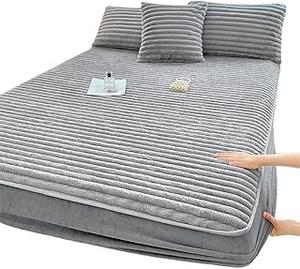
If you’re looking for an affordable yet comfortable option, these microfiber sheets from Linenspa are a great choice. They’re not only soft and breathable, but the tightly woven fabric helps to repel dust mites and allergens. It’s perfect for those who suffer from allergies and want to enjoy a good night’s sleep without worrying about the environment under the sheets.
California Design Den 100% Cotton Bed Sheets
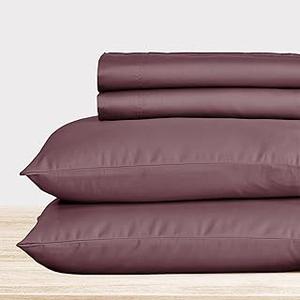
California Design Den’s cotton bed sheets are made with high-quality, 100% cotton that’s both breathable and gentle on the skin. These sheets are hypoallergenic and designed to resist dust mites and allergens. With a soft yet crisp feel, they’re the ideal solution for anyone who struggles with allergies, offering a perfect balance of comfort and protection.
Pure Cotton Bed Sheets – 100% Organic Cotton Sheets
Made from 100% organic cotton, these sheets are not only soft but also hypoallergenic. The breathable fabric keeps you cool while helping to reduce the accumulation of dust mites and allergens. If you’re sensitive to synthetic materials, this natural option is definitely worth checking out. Plus, the quality is so great, you’ll feel like you’re sleeping in luxury.Check Price
Sleep Mantra 100% Organic Cotton Sheets
These sheets are a dream for anyone who wants a natural solution to allergy concerns. Sleep Mantra’s 100% organic cotton sheets are ultra-soft and come in a variety of colors to match any bedroom decor. The best part? They’re designed to be breathable, ensuring you stay cool and comfortable, which is especially great for those with sensitive skin or allergies.Check Price
Zinus 100% Organic Cotton Sheet Set
Zinus makes allergy-friendly sheets that are made from 100% organic cotton, meaning you’re not just getting softness, but also a healthier sleep environment. These sheets are gentle on the skin, hypoallergenic, and the natural cotton fibers help to minimize dust mites and other allergens that may trigger your sensitivities. It’s like a cozy, allergy-free sanctuary for your bed!Check Price
Buyer Guide For Choosing The Best Bed Sheets For Allergies
Material Matters: The Allergen Barrier
One of the most important factors to consider when choosing bed sheets for allergies is the material. The type of fabric can have a significant impact on allergen buildup. There are several materials that are particularly well-suited for allergy sufferers:
- Cotton: Cotton is a natural, breathable fabric that doesn’t trap heat or moisture, making it an excellent choice for those with allergies. Opt for high-quality, tightly woven cotton sheets, such as Egyptian cotton or pima cotton, as they tend to be softer and less likely to trap dust mites compared to lower-quality cotton.
- Microfiber: Made from finely woven synthetic fibers, microfiber is known for its ability to resist allergens. Its tightly woven structure creates a barrier that prevents dust mites and pet dander from seeping into the fabric. Microfiber sheets are also affordable and durable, which makes them a great option for budget-conscious shoppers.
- Linen: Linen is another natural fabric that has anti-allergenic properties. Its breathable nature helps keep the skin cool, and its loosely woven structure makes it harder for dust mites to thrive. However, it tends to wrinkle easily, so it may require more maintenance compared to other materials.
- Bamboo: Bamboo sheets are hypoallergenic, moisture-wicking, and resistant to bacteria, which makes them a great choice for people with sensitive skin or respiratory issues. Bamboo fibers are naturally anti-microbial, which means they can help reduce the buildup of allergens over time.
- Tencel (Lyocell): Tencel is a sustainable, eco-friendly material made from wood pulp. It has natural moisture-wicking properties and is resistant to bacteria and fungi. Sheets made from Tencel are incredibly soft, and their breathable qualities make them an excellent option for allergy sufferers.
Thread Count And Weave
While thread count is often emphasized in discussions about sheet quality, it’s not the only important factor to consider when selecting the best sheets for allergies. A high thread count can indicate softness and durability, but it can also affect the tightness of the weave. The tighter the weave, the more resistant the sheets will be to dust mites and other allergens.
- Percale Weave: A percale weave is a tight, plain weave that creates a smooth finish. Its breathability and durability make it a good option for allergy sufferers. This weave is ideal for people who tend to sleep hot, as it promotes airflow and keeps you cooler through the night.
- Sateen Weave: A sateen weave, known for its silky feel and smooth surface, may not be as breathable as percale. However, it is still an excellent option if you’re looking for something soft and luxurious. Just be sure to select a sateen weave with a tight construction to minimize the risk of allergens getting trapped.
- Tight Weave: For ultimate protection from dust mites and allergens, choose bed sheets with a dense, tight weave. A higher thread count (300-400) often means a tighter weave, but ensure the fabric is breathable enough to prevent the buildup of moisture, which can create a favorable environment for allergens.
Hypoallergenic Treatments And Properties
Some bed sheets come with added hypoallergenic treatments or coatings designed to actively prevent allergens from accumulating. These treatments often involve the use of anti-microbial agents that help to reduce the growth of bacteria, mold, and fungi, which can exacerbate allergic reactions. While these treatments can be beneficial, it’s essential to ensure that they don’t contain harsh chemicals that could irritate the skin.
- Chemical-Free: Opt for sheets that use natural hypoallergenic treatments, such as antimicrobial silver threads or organic cotton, to ensure that the chemicals don’t contribute to your allergies.
- Washable Covers: If you’re particularly sensitive to allergens, consider investing in allergen-proof mattress and pillow covers in addition to sheets. These covers are designed to block the penetration of dust mites and other irritants while still allowing for breathability and comfort.
Breathability And Moisture-Wicking Properties
Breathability is a key factor for allergy sufferers, as it can prevent moisture buildup, which may encourage the growth of allergens like mold and mildew. Materials such as cotton, linen, bamboo, and Tencel are known for their ability to wick away moisture, keeping your sleeping environment fresh and dry. This is particularly important for individuals with allergies to dust mites, as they thrive in warm, humid environments.
Choose bed sheets with moisture-wicking properties if you tend to sweat at night or if you live in a humid climate. These sheets will not only help you sleep more comfortably but also reduce the likelihood of allergens taking root in your bedding.
Care And Maintenance
Allergy-friendly bed sheets need to be easy to clean to maintain a hygienic sleep environment. Look for sheets that are machine washable and can be washed in hot water (at least 130°F), as this will kill dust mites and other microscopic allergens that may be lurking in your bedding.
If you choose sheets with antimicrobial treatments, follow the manufacturer’s guidelines to ensure that the treatment remains effective after washing. Regular washing (ideally once a week) is essential to keeping your sheets clean and free from allergens.
Final Words
Choosing the right bed sheets for allergies can feel like a daunting task with the variety of materials, weaves, and treatments available on the market. However, it’s clear that understanding how different fabrics and their properties impact your comfort and health can make all the difference. By prioritizing materials such as cotton, microfiber, bamboo, or Tencel, along with looking for tightly woven fabrics, moisture-wicking properties, and hypoallergenic treatments, you’ll be well on your way to reducing allergens in your bedding and improving the quality of your sleep.
FAQs
What Are The Best Bed Sheets For Allergies?
The best bed sheets for allergies are typically made from hypoallergenic materials that resist dust mites, mold, and other allergens. Some popular options include organic cotton, bamboo, and microfiber. These materials are naturally breathable and can help prevent the buildup of allergens that may trigger allergic reactions.
How Can Bed Sheets Help With Allergies?
Bed sheets play an essential role in managing allergies by providing a barrier against allergens like dust mites, pet dander, and pollen. Hypoallergenic bed sheets, especially those made from tightly woven fabrics or special treatments, can prevent these allergens from accumulating on your bedding, offering relief to those who suffer from allergies.
What Materials Should I Look For In Bed Sheets If I Have Allergies?
If you have allergies, look for bed sheets made from natural fibers like organic cotton, bamboo, or linen. These materials are breathable and less likely to trap dust mites and allergens. Additionally, microfiber sheets are also a good option as they are dense and can reduce allergen exposure. It’s important to avoid synthetic fibers like polyester, as they can trap moisture and dust, which may worsen allergic reactions.
Are There Specific Bed Sheet Brands That Specialize In Allergy-friendly Products?
Yes, several brands specialize in allergy-friendly bed sheets. Some top brands include Allergy Guard, Bedgear, and Parachute. These companies offer bed linens specifically designed to reduce allergen buildup, often using materials like antimicrobial-treated fabrics or tightly woven cotton that prevent dust mites and other allergens from settling in your bedding.
How Often Should I Wash My Bed Sheets To Reduce Allergens?
To reduce allergens, it is recommended to wash your bed sheets at least once a week in hot water (above 130°F or 54°C), which helps kill dust mites and remove accumulated allergens. For additional protection, using an allergen-reducing laundry detergent or adding a solution like vinegar during the rinse cycle can further help to eliminate dust mites and other allergens.