
- You are here:
- Home »
- Buyer Guides
- » Best Bed Sheets For Kids [BUYER GUIDE]
Best Bed Sheets For Kids [BUYER GUIDE]
Note: This page contains affiliate links.
As an Amazon Associate, I earn from qualifying purchases when you click on the link, but you are not charged extra.
When it comes to creating a comfortable, safe, and healthy sleep environment for kids, the bed sheets you choose play a pivotal role. Children, especially those under the age of 12, spend a significant portion of their day sleeping, making the quality of their bedding an essential factor in their overall well-being. Parents, guardians, and caregivers often seek the best materials, patterns, and features when selecting bed sheets for their young ones, as they understand that comfort influences sleep quality, which in turn impacts their child’s mood, growth, and development.
However, the vast array of options available on the market today can make choosing the right bed sheets feel overwhelming. From the thread count to fabric types, durability to aesthetic appeal, there are numerous considerations that factor into making the best decision. This guide aims to not only simplify the selection process but also to provide valuable insights into choosing bed sheets that align with the unique needs of your child. Whether your focus is on softness, breathability, safety, or style, understanding the various options will help ensure that your child sleeps soundly through the night, waking up refreshed and ready for the day ahead.
Contents
Top 5 Best Bed Sheets For Kids
| Happybuy Kids Bed Sheet Set – 100% Organic Cotton | Check Price |
| Linenspa Kids Bed Sheet Set | Check Price |
| Bedding for Kids – 100% Cotton Sheet Set | Check Price |
| AmazonBasics Kids Microfiber Sheet Set | Check Price |
| Weltrali Kids Bed Sheets Set | Check Price |
Best Bed Sheets For Kids
Happybuy Kids Bed Sheet Set – 100% Organic Cotton
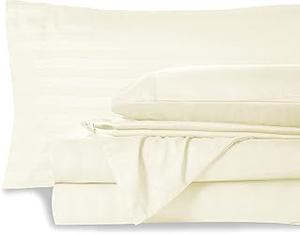
If you’re looking for eco-friendly sheets, this is the one for you! Made with 100% organic cotton, they’re soft, breathable, and gentle on delicate skin. Plus, you don’t have to worry about harmful chemicals or dyes. Your child will sleep soundly knowing they’re tucked into something safe and comfy. The designs are playful but timeless, making this a great option for any kid’s room.
Linenspa Kids Bed Sheet Set
These sheets are a dream for kids! Super soft, easy to care for, and they come in fun, vibrant colors and prints. Whether you’re dealing with an adventurous toddler or a school-age child, this set provides a comfy sleep experience that’s both cozy and stylish. Plus, the material is breathable and durable, so it can handle all the jumping, rolling, and everything else kids do while in bed.Check Price
Bedding for Kids – 100% Cotton Sheet Set
If you want the best for your child’s sensitive skin, these 100% cotton sheets are the way to go. They’re ultra-soft, breathable, and gentle, making them perfect for kids who have allergies or just love being comfy. Plus, they come in a wide range of playful designs that’ll fit any theme your little one dreams up, from outer space to dinosaurs!Check Price
AmazonBasics Kids Microfiber Sheet Set
For a budget-friendly option that doesn’t sacrifice quality, this AmazonBasics sheet set is an excellent choice. It’s made from soft microfiber that’s not only super smooth but also durable. You’ll love how easy it is to clean, and your kids will love how cozy they feel after a long day of play. The fun, colorful prints make bedtime something they’ll actually look forward to!Check Price
Weltrali Kids Bed Sheets Set
These sheets are all about comfort and style. Made with soft microfiber, they’re wrinkle-resistant and fade-resistant, which is a huge win for busy parents! The designs are adorable and bright, perfect for making any room feel like a fun, welcoming space. Plus, they’re machine washable, so you don’t have to worry about those little messes that come with kids!Check Price
Buyer Guide For Choosing The Best Bed Sheets For Kids
Selecting the best bed sheets for kids requires balancing factors like material quality, durability, comfort, safety, and ease of maintenance. Below are key aspects to consider when making your choice.
Material And Fabric Type
The material of the bed sheets you choose will directly impact your child’s comfort and skin health. Here are the most popular fabric options for kids’ bedding:
- Cotton: Soft, breathable, and hypoallergenic, cotton is the most common and favored fabric for children’s sheets. Cotton sheets are perfect for warmer climates as they naturally wick away moisture and allow air to circulate, keeping your child cool throughout the night. Look for sheets made from 100% cotton, such as percale or sateen, for the best durability and comfort. Cotton is also easy to maintain, and it becomes softer with each wash.
- Bamboo: Bamboo sheets have gained popularity for their eco-friendly properties and luxurious feel. They are naturally moisture-wicking and offer a silky smooth texture, making them an excellent choice for kids with sensitive skin or allergies. Bamboo is also inherently antibacterial and antimicrobial, which makes it a safe choice for children prone to skin irritations.
- Flannel: Flannel sheets are perfect for colder climates, as they are thick, soft, and warm. Made from either cotton or wool, flannel sheets trap heat and retain warmth during the colder months, ensuring that your child sleeps comfortably in cooler weather. However, flannel may not be the best option in warmer climates, as it can make the bed feel too warm during the summer months.
- Jersey Knit: Known for its softness and stretch, jersey knit fabric resembles the material found in t-shirts. These sheets are comfortable and cozy, making them ideal for children who prefer snuggling into a soft, breathable bed. Jersey knit is also highly durable and doesn’t require much ironing, which is a plus for busy parents.
- Microfiber: Made from synthetic fibers, microfiber sheets are often cheaper than natural fabric options. While they are soft and resistant to wrinkles, they may not be as breathable as cotton or bamboo, potentially leading to overheating. Microfiber sheets are easy to care for and are generally more stain-resistant, which is ideal for young children who may experience spills or accidents.
Thread Count
Thread count refers to the number of threads woven into a square inch of fabric. While a higher thread count is typically associated with greater softness and durability, it is not always a definitive indicator of quality. For children’s bed sheets, a thread count between 200 and 400 is ideal. This range provides a soft, breathable surface without being overly heavy or difficult to care for.
Choosing a very high thread count (500 or more) may not be necessary for kids, as they tend to outgrow bedding quickly, and very high thread counts can sometimes make the sheets feel stiffer or warmer than desirable. Opting for a moderate thread count ensures both comfort and longevity, especially for sheets that will be used regularly.
Hypoallergenic Features
Children, especially those with sensitive skin or allergies, can benefit from hypoallergenic sheets. Materials like organic cotton, bamboo, and certain types of microfiber are naturally hypoallergenic, meaning they resist dust mites, bacteria, and other allergens that could trigger skin reactions or asthma. Choosing bedding with these features ensures that your child remains safe from irritants that could disrupt their sleep.
Additionally, some bed sheets are treated with anti-allergy finishes that provide an extra layer of protection. While these treatments can be helpful, it’s essential to verify that the chemicals used are non-toxic and safe for children. Organic and chemical-free options are typically the safest choice.
Size And Fit
When choosing bed sheets, it’s crucial to get the right size for your child’s mattress. Standard sizes for kids’ beds are twin, full, and sometimes toddler or crib sizes, but each mattress may vary slightly in dimensions. Always check the measurements of the mattress and compare them to the size chart provided by the sheet manufacturer.
Fitted sheets are particularly important for preventing the fabric from bunching or coming off during the night. Look for sheets with deep pockets or elastic edges to ensure they stay securely in place. This is especially important for active sleepers who tend to move around a lot.
Durability And Maintenance
Kids’ bedding needs to be durable, as sheets will undergo frequent washes and high use. Cotton, bamboo, and microfiber fabrics are all generally durable, but consider the stitching and finish of the sheet. Double-stitched edges and reinforced corners will ensure that the sheets last longer without fraying or tearing.
Additionally, consider the ease of maintenance. Bedding that can be machine washed and dried without losing its softness or shape is highly recommended. This is especially important for busy parents who don’t have the time or energy for delicate laundry routines.
Aesthetic Appeal
While comfort and functionality are the top priorities, children’s bed sheets should also reflect their personal style. Many kids enjoy having sheets that feature their favorite colors, characters, or themes. Whether it’s a fun, colorful design or something more subtle, choosing bed sheets that appeal to your child’s preferences can help make bedtime more enjoyable.
Look for sheets with playful designs, such as animals, nature scenes, or popular animated characters, to spark your child’s imagination. However, it’s also important to strike a balance between fun and longevity. Opt for designs that will appeal to your child for a longer period, as kids often outgrow certain themes or characters quickly.
Safety Considerations
Finally, when shopping for kids’ bed sheets, it’s crucial to prioritize safety. Look for products that are certified free of harmful chemicals and dyes, particularly those labeled as OEKO-TEX certified. This certification ensures that the sheets have been tested for harmful substances and are safe for children to use.
Additionally, ensure that the fabric is not treated with flame retardants or other chemicals that could irritate your child’s skin. Organic and natural options are generally a safer bet if you’re particularly concerned about chemical exposure.
Final Words
Choosing the best bed sheets for kids is not merely about picking something that looks good or feels soft-it’s about finding bedding that supports your child’s health, comfort, and overall sleep quality. By considering factors such as fabric type, thread count, hypoallergenic properties, size, and design, parents can make informed decisions that meet both practical needs and aesthetic desires.
Investing in quality sheets not only ensures a better sleep environment but also contributes to your child’s happiness and well-being. Bedtime should be a peaceful and restorative time, free from discomfort or irritation, and the right bedding plays a key role in achieving that. The benefits of good-quality bed sheets extend beyond comfort, helping your child get the rest they need to grow, learn, and thrive.
FAQs
What Materials Are Best For Kids’ Bed Sheets?
The best materials for kids’ bed sheets are soft, breathable, and hypoallergenic. Cotton is a popular choice, particularly organic cotton, as it is gentle on sensitive skin. Additionally, bamboo and linen offer natural moisture-wicking properties and are cool to the touch, making them great options for children who tend to overheat at night.
How Do I Choose The Right Size Bed Sheets For My Child?
To select the right size, first determine the dimensions of your child’s mattress. Common sizes for kids’ beds are toddler (28×52 inches), twin (38×75 inches), and full (54×75 inches). It’s important to choose sheets that fit snugly without being too tight to ensure comfort and avoid any safety hazards.
Are There Any Bed Sheets That Are Especially Good For Children With Allergies?
Yes, hypoallergenic bed sheets are a great option for children with allergies. Look for sheets made from organic cotton, bamboo, or other materials that are resistant to dust mites and other allergens. Additionally, sheets with antimicrobial properties can help reduce the presence of allergens and bacteria.
How Often Should I Wash My Child’s Bed Sheets?
It is recommended to wash your child’s bed sheets once a week to maintain cleanliness and hygiene. For children with sensitive skin or allergies, washing the sheets more frequently-every 3-4 days-may be beneficial to remove dust mites and other irritants.
What Are Some Fun And Practical Designs For Kids’ Bed Sheets?
Kids often enjoy bed sheets with their favorite characters, animals, or themes like space, dinosaurs, or princesses. In addition to fun designs, practical features like wrinkle-resistant fabrics and easy-care machine-washable materials are important for convenience and durability. Bright, playful designs can also help encourage children to look forward to bedtime.