
- You are here:
- Home »
- Buyer Guides
- » Best Bed Sheets For Skin [BUYER GUIDE]
Best Bed Sheets For Skin [BUYER GUIDE]
By Serene Taylor | Last Updated on February 15, 2026
Note: This page contains affiliate links. As an Amazon Associate, I earn from qualifying purchases when you click on the link, but you are not charged extra.
When it comes to getting a good night’s sleep, most of us are diligent about selecting the right mattress, pillows, and even sleep routines. However, one often-overlooked factor is the importance of bed sheets. The material, texture, and even the way sheets interact with your skin can play a significant role in your comfort and the overall quality of your rest. In particular, those with sensitive or acne-prone skin may find that certain sheets can either enhance or hinder their skin’s health. As skin is the body’s largest organ, being in direct contact with fabric for hours each night can have lasting effects. This makes choosing the right sheets more than just a matter of luxury or aesthetics-it’s a critical decision for your skin’s well-being.
The best bed sheets for skin are those that balance softness, breathability, and hypoallergenic properties while being gentle on delicate skin. The right choice can help prevent irritation, rashes, and other dermatological concerns, offering you not only comfort but also a healthier sleep environment. Understanding the nuances of different materials, how they interact with your skin, and what features to prioritize is key in ensuring that your sleep is restorative both for your body and your skin.
Contents
Top 5 Best Bed Sheets For Skin
| Boll & Branch Signature Hemmed Sheet Set | Check Price |
| Brooklinen Luxe Core Sheet Set | Check Price |
| Parachute Linen Sheet Set | Check Price |
| Saatva Organic Sateen Sheet Set | Check Price |
| Mellanni 100% Brushed Microfiber Bed Sheet Set | Check Price |
Best Bed Sheets For Skin
Boll & Branch Signature Hemmed Sheet Set
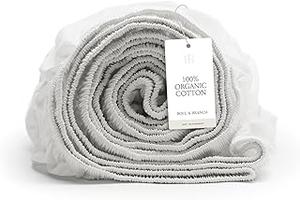
If you’re looking for ultra-soft, breathable sheets, Boll & Branch has your back. These sheets are made from 100% organic cotton, which is gentle on the skin. The fabric has a luxurious, silky feel without being overly slippery, and the natural fibers allow air to flow through, making them perfect for sensitive or dry skin. Plus, they’re ethically sourced, so you can sleep soundly knowing your sheets are made responsibly.
Brooklinen Luxe Core Sheet Set
Okay, imagine slipping into sheets that feel like a cloud – that’s the Brooklinen Luxe Core Set for you. Made with a 480-thread-count cotton sateen weave, these sheets have a smooth, silky texture that’s still breathable. They’re ideal for people with dry or sensitive skin because they don’t trap heat, so you stay comfortable throughout the night without irritation. Plus, the variety of colors and patterns gives your bedroom a fresh vibe!Check Price
Parachute Linen Sheet Set
Parachute’s linen sheets are the ultimate in breathable luxury. Made from 100% European flax, these sheets get softer with every wash, which is perfect for sensitive skin. Linen is naturally hypoallergenic and moisture-wicking, which means it keeps you comfortable no matter the season. If you’re a fan of laid-back, relaxed style and top-tier comfort, these sheets will make you feel pampered every night.Check Price
Saatva Organic Sateen Sheet Set
Saatva’s Organic Sateen Sheet Set is perfect if you want a soft, silky feel but with a little more durability. The sateen weave gives these sheets a smooth finish, while the certified organic cotton ensures you won’t have to worry about skin irritation. They’re also free of harmful chemicals, which is a big plus for people looking to minimize allergens. If you’re picky about your bedding’s texture, these will be your new favorite.Check Price
Mellanni 100% Brushed Microfiber Bed Sheet Set
If you’re on the hunt for something ultra-soft and skin-friendly but don’t want to break the bank, Mellanni’s microfiber sheets are a top contender. These sheets are incredibly smooth, yet they’re also super breathable and resistant to wrinkles. They’re great for all skin types, especially if you need something that’s both affordable and gentle. Plus, they come in a huge variety of colors, so you can match them with any bedroom decor.Check Price
Buyer Guide For Choosing The Best Bed Sheets For Skin
When selecting bed sheets for your skin, it’s essential to consider several factors that go beyond simple texture or appearance. The material, weave, thread count, and care instructions can all influence how your skin reacts to the sheets, as well as how well the sheets perform over time. Below is a detailed guide to help you navigate the decision-making process.
-
Material
The fabric of your bed sheets plays the most significant role in how they interact with your skin. Different materials have various textures, moisture-wicking capabilities, and breathability levels. For skin health, it’s essential to choose materials that are soft, non-irritating, and breathable. Here are some of the best fabric choices for sensitive skin:
- Cotton: Cotton is often the first recommendation for sensitive skin. It is soft, breathable, and absorbs moisture, which helps to maintain a comfortable body temperature throughout the night. Egyptian cotton, in particular, is known for its luxurious softness and durability, making it a prime choice for those looking for a gentle fabric. However, not all cotton is equal, so opting for 100% organic cotton or cotton with a high thread count can provide an extra layer of comfort.
- Bamboo: Bamboo sheets have gained popularity in recent years for their natural hypoallergenic properties. Bamboo is a sustainable material that is incredibly soft, breathable, and moisture-wicking. It’s naturally antibacterial, which can be particularly beneficial for those prone to acne or other skin conditions. The fabric feels cooler and smoother than cotton, making it a great option for people with sensitive skin or conditions like eczema.
- Silk: Known for its luxurious feel, silk is one of the gentlest materials for sensitive skin. Its smooth surface helps to reduce friction, which can prevent irritation and promote the retention of natural skin moisture. Silk sheets are also hypoallergenic, making them ideal for people with allergies or skin sensitivities. While silk can be expensive, its skin benefits make it worth considering, especially for those with skin prone to dryness or blemishes.
- Linen: Linen is another breathable and naturally hypoallergenic fabric. While it may feel rougher initially, it becomes softer with every wash. Linen is highly absorbent and dries quickly, making it an excellent option for people with oily skin. It also has a cooling effect, which can be helpful for those who tend to overheat at night. Linen’s natural texture can help balance oil production on the skin, leading to fewer breakouts.
- Tencel (Lyocell): Tencel is a synthetic fabric made from wood pulp but processed in a way that’s more eco-friendly than traditional materials. It’s silky to the touch, hypoallergenic, and boasts excellent moisture-wicking properties. Tencel is gentle on the skin, and its anti-microbial features can help keep bacteria and allergens at bay, making it ideal for individuals with acne-prone skin.
-
Weave
The weave of the fabric influences how soft or textured the sheets feel. The most common weaves include:
- Percale: Known for its crisp, matte finish and lightweight feel, percale is made by weaving cotton fibers in a simple, tight pattern. It’s cool, breathable, and non-slick, which can be beneficial for individuals with oily or acne-prone skin. However, some people may find it less soft than sateen.
- Sateen: This weave is created by weaving fibers in a way that creates a smooth, lustrous finish. Sateen sheets tend to feel softer and silkier to the touch, making them ideal for those who prefer a more luxurious feel. The smooth texture of sateen is gentle on the skin, though it may trap heat, so it’s better suited for those who sleep in cooler environments.
-
Thread Count
Thread count refers to the number of threads woven into one square inch of fabric. While many believe higher thread counts always result in better quality, that’s not always the case. A thread count between 300 and 600 is usually ideal for softness, durability, and breathability. Higher thread counts, especially those over 800, can often result in thicker, less breathable sheets that may trap heat and moisture-this can be detrimental to skin health, especially for those with oily skin or acne. It’s more important to focus on the quality of the threads rather than the sheer number.
-
Hypoallergenic And Antibacterial Properties
For individuals with sensitive or allergy-prone skin, hypoallergenic properties are a must. Some bed sheets are treated with antimicrobial finishes to prevent the buildup of bacteria and dust mites, both of which can exacerbate skin conditions. Choosing sheets made from naturally hypoallergenic materials, such as bamboo, organic cotton, or silk, can provide an added layer of protection.
-
Care Instructions
How you care for your bed sheets can also affect how they interact with your skin. For example, harsh detergents or fabric softeners can leave a residue on the sheets that may irritate the skin. It’s best to use mild, fragrance-free detergents to preserve the softness and integrity of the fabric. Always follow the care instructions on the label to maintain the quality and longevity of your sheets.
Final Words
Selecting the right bed sheets isn’t just about achieving an aesthetic look for your bedroom. It’s about understanding how the materials, weave, and thread count of your sheets will directly impact your skin’s health. For those with sensitive or acne-prone skin, making an informed choice is essential to avoid irritation, inflammation, or other skin-related issues that can disrupt sleep and overall well-being. Whether you choose cotton, bamboo, silk, or another fabric, it’s crucial to prioritize softness, breathability, and hypoallergenic properties.
By considering your skin’s needs in combination with personal preferences for texture and feel, you’ll not only improve the quality of your sleep but also maintain your skin’s health. And while the investment in high-quality sheets may seem costly at first, the comfort and skin benefits they provide over time are well worth it.
FAQs
What Are The Best Types Of Bed Sheets For Sensitive Skin?
For sensitive skin, natural fibers like cotton, silk, and bamboo are the best choices. Cotton, especially organic cotton, is soft, breathable, and gentle on the skin. Silk is hypoallergenic and has natural moisture-wicking properties, making it an excellent option for sensitive skin. Bamboo sheets are also a great choice due to their antibacterial and soothing properties.
Are Silk Sheets Good For Your Skin?
Yes, silk sheets are beneficial for the skin due to their hypoallergenic properties and smooth texture. The smooth surface helps reduce skin irritation and prevents friction, which can cause wrinkles or discomfort. Additionally, silk helps maintain skin hydration by not absorbing moisture from your skin during the night.
What Benefits Do Bamboo Sheets Offer For Skin Health?
Bamboo sheets are known for being naturally antimicrobial, which helps reduce bacteria and allergens on the surface. They are also moisture-wicking, which helps keep your skin dry and cool, reducing the risk of skin irritation or breakouts. Bamboo’s softness and breathability make it ideal for individuals with sensitive or acne-prone skin.
Can The Thread Count Of Bed Sheets Affect Skin Health?
Yes, the thread count of bed sheets can affect skin health. Higher thread count sheets tend to feel smoother and softer against the skin, which can reduce irritation. However, an excessively high thread count may limit breathability. It’s best to choose a thread count in the range of 300-500, which balances softness and comfort without sacrificing airflow.
Should I Choose Hypoallergenic Bed Sheets If I Have Sensitive Skin?
Absolutely. Hypoallergenic bed sheets are designed to minimize the risk of allergic reactions and irritation. Materials like organic cotton, linen, and bamboo are often labeled as hypoallergenic because they are less likely to harbor dust mites, mold, or bacteria, which can contribute to skin reactions. Choosing hypoallergenic sheets can significantly benefit those with skin sensitivities.
*This article is based on personal research and hands-on exploration of bedding materials and sleep comfort. It is intended for informational purposes only.*
About the Author
Serene is the writer behind this guide, focusing on sleep comfort, bedding, and creating restful home environments. Her interest in this space began after dealing with inconsistent sleep and exploring how bedding, materials, and bedroom setup affect overall rest.
She shares practical, experience-based insights to help readers make more informed and comfortable choices for their sleep space.
Learn more: About Serene