
Best Hot Weather Bed Sheets [BUYER GUIDE]
Note: This page contains affiliate links.
As an Amazon Associate, I earn from qualifying purchases when you click on the link, but you are not charged extra.
When the heat of summer begins to settle in, it often brings the desire for comfort and relief within the confines of our home, particularly during sleep. A good night’s rest becomes increasingly elusive when the temperature rises, and the discomfort of overheated sheets can further disturb your sleep cycle. Hot weather can cause discomfort in the bed, and the material of your sheets plays a significant role in regulating body temperature. Choosing the right bed sheets for hot weather is paramount for anyone looking to enhance sleep quality during warm nights. This is more than just about softness or aesthetics; it’s about staying cool, dry, and comfortable while maintaining a conducive sleep environment.
The material, weave, and thread count of bed sheets can drastically influence how breathable, moisture-wicking, and temperature-regulating they are. As you prepare to navigate the world of bedding options, understanding these aspects is essential. This guide will delve into the crucial factors you should consider when selecting bed sheets for hot weather. By the end, you’ll be equipped with all the knowledge you need to choose sheets that will keep you comfortable, cool, and relaxed during even the hottest nights of the year.
Contents
Top 5 Best Hot Weather Bed Sheets
| SHEEX Original Performance Sheets | Check Price |
| Linenspa 100% Cotton Sheet Set | Check Price |
| Bampure 100% Pure Linen Sheets | Check Price |
| CGK Unlimited Premium Soft Bed Sheets | Check Price |
| Mellanni 100% Brushed Microfiber Sheets | Check Price |
Best Hot Weather Bed Sheets
SHEEX Original Performance Sheets
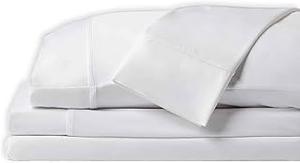
For a more high-tech approach, the SHEEX Original Performance Sheets are designed with moisture-wicking fabric that keeps you cool and dry. These are ideal for hot sleepers who tend to overheat at night, as the advanced fabric pulls away moisture and regulates your body temperature. They’re incredibly soft, so you’ll feel comfortable all night long, and their breathable, stretchy material means they move with you, making them a great choice for both comfort and cooling.
Linenspa 100% Cotton Sheet Set
If you’re looking for breathable, soft sheets that don’t break the bank, the Linenspa 100% Cotton Sheet Set is a great option. These sheets are made of natural cotton, which is perfect for keeping things cool during those hot summer nights. They’re lightweight, comfy, and the fabric feels breathable against your skin, ensuring you get a restful sleep without overheating. Plus, they come in a variety of colors, so you can easily match them to your bedroom décor.Check Price
Bampure 100% Pure Linen Sheets
Linen is known for its cooling properties, and Bampure’s 100% Pure Linen Sheets take full advantage of this. These sheets are a natural choice for hot weather because linen helps regulate temperature, keeping you cool in the summer heat. Not only do they feel wonderful, but the texture is soft yet slightly textured, which adds a cozy touch. Plus, linen’s moisture-wicking abilities ensure you stay dry and comfortable all night.Check Price
CGK Unlimited Premium Soft Bed Sheets
Looking for something that’s not only cool but incredibly soft? CGK Unlimited’s Premium Soft Bed Sheets are made from brushed microfiber, which feels surprisingly smooth and airy. They’re incredibly lightweight, making them ideal for warmer climates. What’s even better? They resist wrinkles, so you won’t have to worry about tossing and turning causing creases. These sheets are great for those who need comfort and ease in the summer heat.Check Price
Mellanni 100% Brushed Microfiber Sheets
Mellanni has a reputation for providing durable, soft, and cooling sheets, and their 100% Brushed Microfiber Sheets live up to the hype. These are lightweight, ultra-soft, and breathable, making them a go-to choice for hot weather. They also come in a variety of colors and are known for being very affordable while still providing a luxurious feel. The microfiber material is also wrinkle-resistant, so you’ll wake up to smooth sheets every morning!Check Price
Buyer Guide For Choosing The Best Hot Weather Bed Sheets
Fabric Types
The fabric you choose for your bed sheets can either trap or release heat, so understanding different fabric types is critical for hot weather sleep comfort.
Cotton: Cotton is often considered the gold standard for bed sheets, and for good reason. Among cotton varieties, Egyptian cotton and Pima cotton are known for their superior breathability and softness. They allow air to circulate around your body, helping regulate temperature while also being absorbent enough to wick away sweat. If you opt for cotton, ensure it is 100% cotton to avoid blends that may trap heat.
Linen: For even hotter climates, linen is a fantastic choice. Linen is made from flax plants and is known for its remarkable breathability and moisture-wicking properties. The fabric is inherently more textured than cotton, which may make it feel slightly rough at first, but this roughness contributes to its airflow and cooling effects. Linen bed sheets tend to get softer with every wash, which adds to their appeal for long-term comfort.
Bamboo: Bamboo sheets have gained popularity in recent years due to their lightweight feel and impressive moisture-wicking properties. Bamboo fabric, which is made from the pulp of bamboo grass, is incredibly breathable and offers a silky smooth texture. It’s also naturally hypoallergenic and antimicrobial, making it a good option for sensitive skin. Bamboo sheets have moisture-wicking abilities that help keep you dry during the night, making them ideal for hot climates.
Tencel (Lyocell): Tencel is a sustainable fabric made from wood pulp, and it has properties that are well-suited for hot weather. Tencel sheets are soft, smooth, and moisture-wicking, helping regulate body temperature. They are also more breathable than traditional cotton, and unlike other synthetics, Tencel is biodegradable and eco-friendly, making it a great choice for environmentally conscious buyers.
Silk: Although silk is luxurious and cooling to the skin, it may not be the most practical choice for hot weather because it is more delicate and expensive than other fabrics. Silk has natural thermoregulating properties that allow it to keep you cool in the heat and warm in the cold, but it requires more care than other bedding options and can be slippery to sleep on.
Weave And Thread Count
While thread count is often touted as a measure of sheet quality, it’s not the sole factor to consider when choosing sheets for hot weather. The weave, in particular, can make a significant difference in how breathable your sheets are.
Percale Weave: Sheets with a percale weave are typically crisp and lightweight, with a breathable structure that allows air to circulate. The plain weave creates a tighter structure that maintains durability, but the lighter weight helps to keep you cool during hot weather. Percale is a great option for those who prefer a matte finish and a slightly more substantial feel than linen or bamboo.
Sateen Weave: Sateen weave sheets have a smooth, shiny finish due to their weaving technique, which creates a more luxurious, silky texture. While they are soft and have a more elegant appearance, sateen tends to trap more heat, making them less ideal for hot weather. However, if you’re in a region where temperatures fluctuate and you prefer the feel of a cooler fabric against your skin, sateen might still be an option for cooler evenings.
Bamboo and Tencel Weaves: Both bamboo and Tencel sheets often feature a sateen weave, but due to their inherent moisture-wicking properties, they tend to feel lighter and more breathable than traditional sateen cotton sheets. These fabrics naturally allow more airflow and have excellent moisture management properties, keeping you dry while sleeping.
Breathability And Moisture-Wicking
Breathability is perhaps the most crucial factor for hot weather sheets. Bed sheets that allow air to circulate help cool down the body’s core temperature, while moisture-wicking fabrics pull perspiration away from your skin to avoid that sticky, clammy feeling.
Cotton and linen are two of the most breathable fabrics available. However, fabrics like bamboo and Tencel also shine in this regard. Bamboo, for instance, has an open fiber structure that promotes airflow, while Tencel’s moisture-wicking properties make it an excellent choice for warm, humid environments.
In contrast, polyester and other synthetic fabrics tend to trap heat and moisture, leading to an uncomfortable sleeping experience. While some polyester blends may claim to wick moisture, they generally don’t compare to natural fabrics in terms of breathability and comfort.
Care And Maintenance
Maintenance is another important consideration when purchasing sheets for hot weather. Some fabrics, like linen and bamboo, require less care over time and are more durable in humid climates. However, cotton sheets are typically low-maintenance and can be machine-washed with ease.
Linen requires gentle care to preserve its texture, and silk sheets, while cooling, require delicate handling, such as dry cleaning or hand washing. If you want sheets that require minimal attention and are easy to clean, cotton or bamboo would likely be your best bet.
Feel And Comfort
When purchasing bed sheets, feel and comfort are subjective but highly personal. Some people prefer a crisp and cool texture, which is where cotton and linen excel. Others prefer the softness of bamboo or Tencel sheets. If you’re looking for a silky-smooth feel without the weight of traditional satin, Tencel might be the ideal choice.
Make sure to test the fabric before making a final decision, if possible. Some sheets may feel different when they’re fresh out of the package and after a few washes, so it’s worth paying attention to how the fabric feels long-term.
Final Words
Choosing the best bed sheets for hot weather can significantly affect your comfort and sleep quality. It’s about finding the right balance of breathability, moisture-wicking properties, fabric softness, and ease of care. Whether you opt for the classic coolness of cotton, the eco-friendly qualities of bamboo, or the luxurious feel of linen, your choice of sheets can make all the difference during those long summer nights.
Before purchasing, it’s essential to consider your local climate, any allergies or sensitivities you may have, and your personal preferences when it comes to texture and feel. With this knowledge in hand, you can confidently make a decision that will ensure you sleep soundly, even during the hottest nights of the year.
FAQs
What Are The Best Materials For Bed Sheets In Hot Weather?
The best materials for hot weather bed sheets are breathable and moisture-wicking fabrics. Cotton, particularly Egyptian or Pima cotton, is a popular choice due to its natural ability to allow air circulation and absorb moisture. Linen is another excellent option, known for its lightness and cool feel. Tencel, made from eucalyptus wood pulp, is also a great option, as it is soft, breathable, and moisture-wicking. Avoid synthetic materials like polyester, as they tend to trap heat and moisture.
How Can I Keep My Bed Cool During The Summer Nights?
To keep your bed cool during hot weather, opt for lightweight, breathable sheets made of cotton, linen, or Tencel. These materials help regulate body temperature and wick away sweat. You can also consider using cooling pillows and comforters designed specifically to combat heat. Keeping the bedroom well-ventilated by opening windows or using a fan can also improve airflow and keep the environment cooler. Additionally, washing your sheets regularly and using cool water for laundry helps maintain their freshness and cooling properties.
Are Bamboo Sheets Good For Hot Weather?
Yes, bamboo sheets are a great option for hot weather. Bamboo fabric is naturally breathable and moisture-wicking, which helps regulate body temperature and keep you cool throughout the night. Bamboo sheets are also hypoallergenic and have natural antibacterial properties, making them ideal for those with sensitive skin. The fabric is also incredibly soft and smooth, providing a comfortable sleeping experience even in the heat.
How Often Should I Wash My Sheets In Hot Weather?
In hot weather, it’s recommended to wash your sheets every 1-2 weeks, or more frequently if you sweat heavily during the night. Sweat, oils, and dust mites can accumulate more quickly in warmer conditions, so regular washing will help maintain a clean and hygienic sleeping environment. Additionally, washing your sheets in cool water can help preserve the breathability and fabric integrity of hot weather sheets, ensuring they remain effective at keeping you cool.
What Thread Count Is Best For Hot Weather Bed Sheets?
For hot weather bed sheets, a thread count between 200 and 400 is ideal. A lower thread count (200-300) allows for better airflow and cooling properties, while a higher thread count may trap heat, making it less comfortable in warm conditions. It’s important to note that thread count is not the only factor determining the quality of sheets; the material and weave also play significant roles in ensuring breathability and comfort.