
- You are here:
- Home »
- Buyer Guides
- » Best Japanese Bed Sheets [BUYER GUIDE]
Best Japanese Bed Sheets [BUYER GUIDE]
Note: This page contains affiliate links.
As an Amazon Associate, I earn from qualifying purchases when you click on the link, but you are not charged extra.
Japanese bed sheets represent more than just a functional bedding choice-they embody a deep-seated cultural tradition of comfort, minimalism, and quality craftsmanship. Japan is renowned for its reverence for nature, attention to detail, and pursuit of perfection, values that extend into the textile industry, particularly in the production of bed linens. Over the years, Japanese bed sheets have evolved from traditional bedding materials to luxurious, technologically advanced textiles that offer a combination of comfort, breathability, and durability.
The art of crafting the perfect bed sheet in Japan is tied to centuries-old techniques and modern innovations, making these linens unique not only in design but also in performance. From the softness of the fabric to the breathability and moisture-wicking properties, Japanese bed sheets ensure a restorative and restful sleep experience. Whether you are looking for a more natural, eco-friendly option, or a high-tech sheet that promises comfort and longevity, Japan offers a wide variety of bedding choices to suit any preference.
In this guide, we’ll explore how to select the best Japanese bed sheets for your needs, highlighting key factors such as fabric type, weaving methods, and the benefits of purchasing from Japanese brands. By the end, you’ll have a clear understanding of what makes these sheets stand out in terms of quality and comfort, and how to choose the best ones for your bedroom.
Contents
Top 5 Best Japanese Bed Sheets
| Japanese Kotatsu Blanket and Sheet Set | Check Price |
| Bamboo Sheets Japanese Inspired by Cosy House Collection | Check Price |
| Utopia Bedding 4-Piece Bed Sheet Set (Japanese-Style) | Check Price |
| Linenwalas Pure Japanese Linen Bed Sheet Set | Check Price |
| Sateen Japanese Silk Bed Sheets by Linenspa | Check Price |
Best Japanese Bed Sheets
Japanese Kotatsu Blanket and Sheet Set
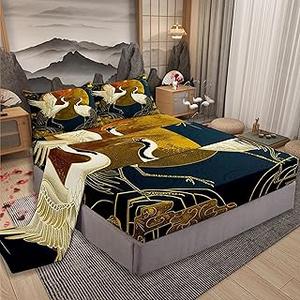
This set is perfect for creating that cozy Japanese-inspired vibe. Designed for use with a kotatsu, the traditional Japanese heated table, this blanket and sheet set brings comfort and warmth during the colder months. The fabric is soft and plush, providing a snug atmosphere that mimics a traditional Japanese home during the winter season.
Bamboo Sheets Japanese Inspired by Cosy House Collection
These bamboo sheets are perfect if you’re looking for a luxurious, cooling experience. Made with 100% bamboo, they’re super breathable and moisture-wicking-ideal for those hot nights! The fabric is silky-smooth, offering a soft, almost cloud-like feel on your skin. Plus, they’re hypoallergenic, making them a fantastic choice for anyone with sensitive skin.Check Price
Utopia Bedding 4-Piece Bed Sheet Set (Japanese-Style)
This 4-piece set blends comfort and practicality with a minimalist Japanese aesthetic. The set includes a fitted sheet, flat sheet, and two pillowcases, all made from high-quality brushed microfiber. They’re easy to care for, resistant to fading, and incredibly durable, giving you the perfect balance of convenience and luxury.Check Price
Linenwalas Pure Japanese Linen Bed Sheet Set
Made with pure linen, this set is inspired by traditional Japanese bedding materials. Linen is known for being breathable and getting softer with every wash, and this set will keep you cool in the summer while keeping you warm in the winter. If you love a slightly rustic, natural look with exceptional comfort, this is the sheet set for you.Check Price
Sateen Japanese Silk Bed Sheets by Linenspa
For those who want a touch of elegance, this sateen Japanese silk sheet set is a game-changer. The silk offers a rich, smooth texture that feels almost like a luxury hotel experience. It’s not just about the looks-silk also helps regulate temperature, so you won’t overheat. You’ll sleep like royalty!Check Price
Buyer Guide For Choosing The Best Japanese Bed Sheets
When shopping for bed sheets, especially those that come from Japan, it’s important to keep a few essential factors in mind. The right set of sheets can make a world of difference in your sleep quality, and Japan is home to some of the finest textile craftsmanship in the world. Let’s dive deep into the different aspects you should consider when choosing the best Japanese bed sheets.
Fabric Type And Material
The material of the bed sheet is arguably the most important factor, as it directly impacts comfort, breathability, and durability. Japanese bed sheets often use high-quality fabrics that are carefully sourced and crafted. Here are some of the most popular fabric types used:
- Cotton: Japanese cotton sheets are renowned for their superior quality. They are soft, breathable, and ideal for regulating body temperature. The cotton used in many Japanese bed linens is often grown in specific regions known for their high standards of agriculture. Pima cotton and Supima cotton are common in Japanese sheets, both of which have a silky smooth feel and a long-lasting finish.
- Linen: Linen sheets are ideal for warmer climates due to their lightweight and highly breathable nature. Linen’s natural ability to wick moisture away from the skin ensures that you stay dry and cool throughout the night. Many Japanese linen sheets are made from European flax but are woven and finished with a distinctly Japanese flair, emphasizing texture and longevity.
- Silk: For those who are looking for luxury, Japanese silk sheets offer unmatched softness and smoothness. Silk is naturally hypoallergenic, temperature-regulating, and gentle on the skin. Japanese silk is often dyed using traditional techniques, creating rich and subtle colors.
- Bamboo: Bamboo sheets have gained popularity in recent years, particularly due to their sustainable properties. Bamboo fabric is naturally antibacterial, hypoallergenic, and moisture-wicking, making it an excellent choice for those with sensitive skin or allergies. Bamboo sheets are also incredibly soft and have a cool-to-the-touch sensation, perfect for hot sleepers.
Weaving Method
The method used to weave the fabric can significantly affect the texture, durability, and feel of the bed sheets. Japanese manufacturers are experts in various weaving techniques that add to the performance of their linens.
- Sateen Weave: Sateen is known for its smooth, luxurious finish and lustrous appearance. The fabric is woven in such a way that the threads create a soft and shiny surface. Japanese sateen bed sheets often feel silky to the touch and are great for people who prefer a more polished, high-sheen look.
- Percale Weave: For a crisp, cool feel, the percale weave is a classic choice. Percale is known for its matte finish and breathable properties. It’s ideal for those who sleep hot or want sheets that feel fresh and light.
- Jacquard Weave: Jacquard sheets feature intricate patterns woven into the fabric itself, rather than being printed on the surface. These sheets are often more decorative and luxurious, making them a great choice for those who want something stylish yet functional.
- Shantung Weave: A type of weave often used for silk or other premium fabrics, Shantung gives the material a slightly irregular texture, enhancing its natural beauty. It’s an ideal choice for those who appreciate uniqueness and a more organic look in their bedding.
Thread Count
Thread count is a measure of how many threads are woven into a square inch of fabric. While thread count isn’t the only indicator of quality, it can still give you an idea of how dense and durable a sheet might be. Japanese bed sheets often feature a high thread count, with many brands offering options in the range of 300 to 1000. Generally speaking, a higher thread count leads to a smoother, softer, and more durable fabric.
However, thread count is not everything-some Japanese brands focus on the quality of the thread itself rather than the quantity of threads. A sheet with a lower thread count but superior material will often feel more luxurious than a high thread count sheet made from cheaper cotton or synthetic fibers.
Durability And Longevity
Japanese bed linens are designed to last. The focus on quality craftsmanship, superior materials, and meticulous weaving techniques results in bedding that can withstand years of use without losing its softness or structural integrity. Cotton sheets, for instance, will soften with each wash but maintain their strength, while bamboo sheets are naturally more durable and resistant to wear and tear.
When buying Japanese bed sheets, you’re not just purchasing for short-term comfort-you’re investing in long-lasting quality. Some high-end brands even offer warranties or guarantees on their sheets, emphasizing their commitment to durability and customer satisfaction.
Eco-Friendliness And Sustainability
Many Japanese brands pride themselves on their environmentally friendly practices, using organic materials, natural dyes, and sustainable production methods. Cotton sheets made from organic cotton, for instance, are free from harmful pesticides, ensuring that they are as gentle on the earth as they are on your skin. Bamboo, being a highly renewable resource, is another eco-conscious option for those looking for more sustainable bedding.
Japanese manufacturers also pay close attention to water usage and waste management in their production processes. Brands that prioritize sustainability will often have certifications or labels indicating their commitment to reducing their environmental footprint.
Size And Fit
Japanese bed sizes can differ slightly from those used in other countries. A standard "single" bed in Japan may be smaller than a Western twin bed, so it’s essential to check the dimensions of the sheets before making a purchase. Additionally, Japan is known for its futon-style bedding, which often requires specialized sheets to accommodate the thicker mattress and minimalist design. Be sure to consider the type of bed you have and the specific measurements when selecting your sheets.
Final Words
Japanese bed sheets offer an unparalleled blend of comfort, luxury, and practicality. Whether you’re after the softness of cotton, the coolness of linen, or the elegance of silk, Japan’s textile traditions provide a vast array of options to cater to your needs. Understanding the key factors such as fabric type, weaving methods, durability, and eco-friendliness will allow you to make an informed decision when purchasing your bedding.
In addition to comfort, the Japanese emphasis on craftsmanship and sustainability makes their bedding options stand out in a crowded marketplace. Whether you are looking for a simple, organic cotton set or a high-tech, moisture-wicking bamboo option, the choice is yours. With attention to detail and a commitment to quality, Japanese bed sheets ensure that your sleep environment is both restful and luxurious.
FAQs
What Makes Japanese Bed Sheets Different From Others?
Japanese bed sheets are known for their exceptional quality, softness, and breathability. They are often made from high-quality materials such as cotton, linen, or special blends like Tencel. These materials are chosen for their ability to regulate temperature and provide comfort throughout the night. Japanese bed sheets also tend to have a minimalistic, elegant design, reflecting the country’s culture of simplicity and attention to detail.
What Is The Best Material For Japanese Bed Sheets?
The best materials for Japanese bed sheets are typically natural fibers like cotton, linen, and silk. Cotton, especially high-thread-count varieties like Egyptian or Pima cotton, offers great breathability and softness. Linen is favored for its durability and cooling properties, making it ideal for warmer climates. Tencel, a sustainable fabric derived from wood pulp, is another popular choice due to its smooth texture and moisture-wicking qualities.
Are Japanese Bed Sheets More Expensive Than Others?
Japanese bed sheets can be more expensive compared to standard options due to their high-quality materials, craftsmanship, and attention to detail. However, many people consider them a worthwhile investment because they tend to last longer and provide superior comfort. The cost can vary depending on the material and brand, with luxury options costing more.
How Do I Care For Japanese Bed Sheets To Ensure Longevity?
To maintain the longevity of Japanese bed sheets, it’s important to follow proper care instructions. Wash them with mild detergent in cool or lukewarm water to preserve their softness and prevent fabric damage. Avoid using bleach or harsh chemicals, as they can weaken the fibers. Line dry or tumble dry on low heat to avoid shrinkage. Regular washing and proper storage in a cool, dry place can help maintain their quality over time.
Where Can I Buy The Best Japanese Bed Sheets?
The best Japanese bed sheets can be purchased from specialty retailers, high-end department stores, and online platforms that focus on luxury bedding. Websites like Muji, Nitori, and Rakuten offer a range of Japanese bed sheets known for their quality. Additionally, international stores may carry Japanese brands or specialized bedding collections that emphasize the same craftsmanship and materials.